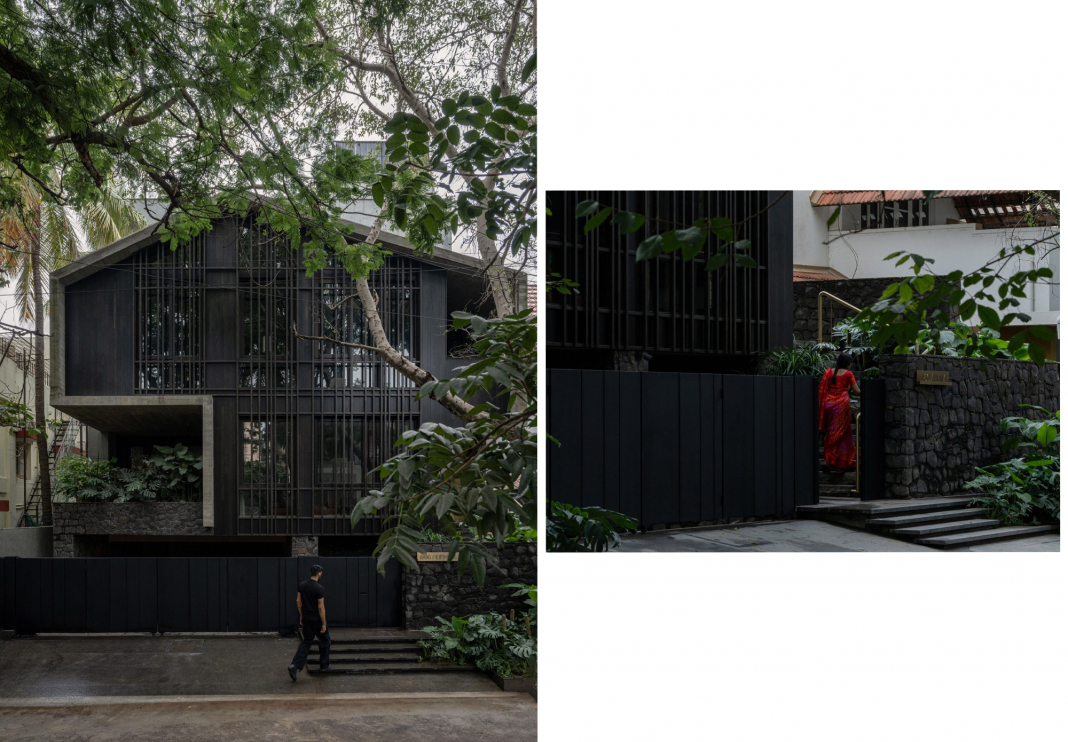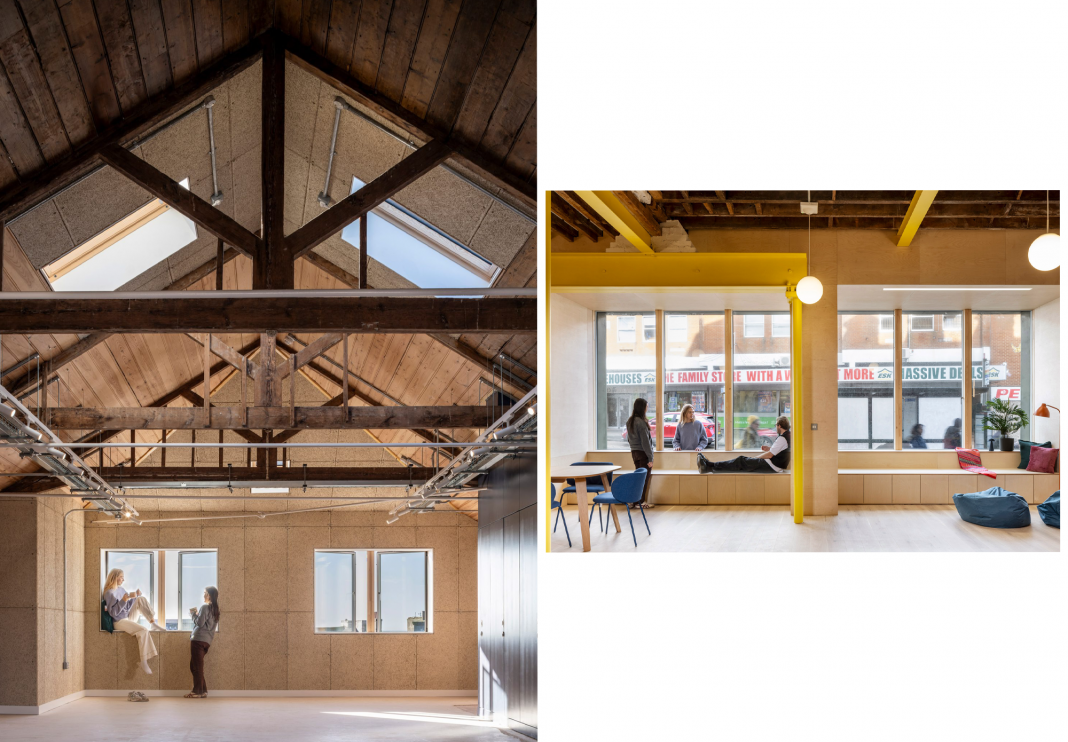



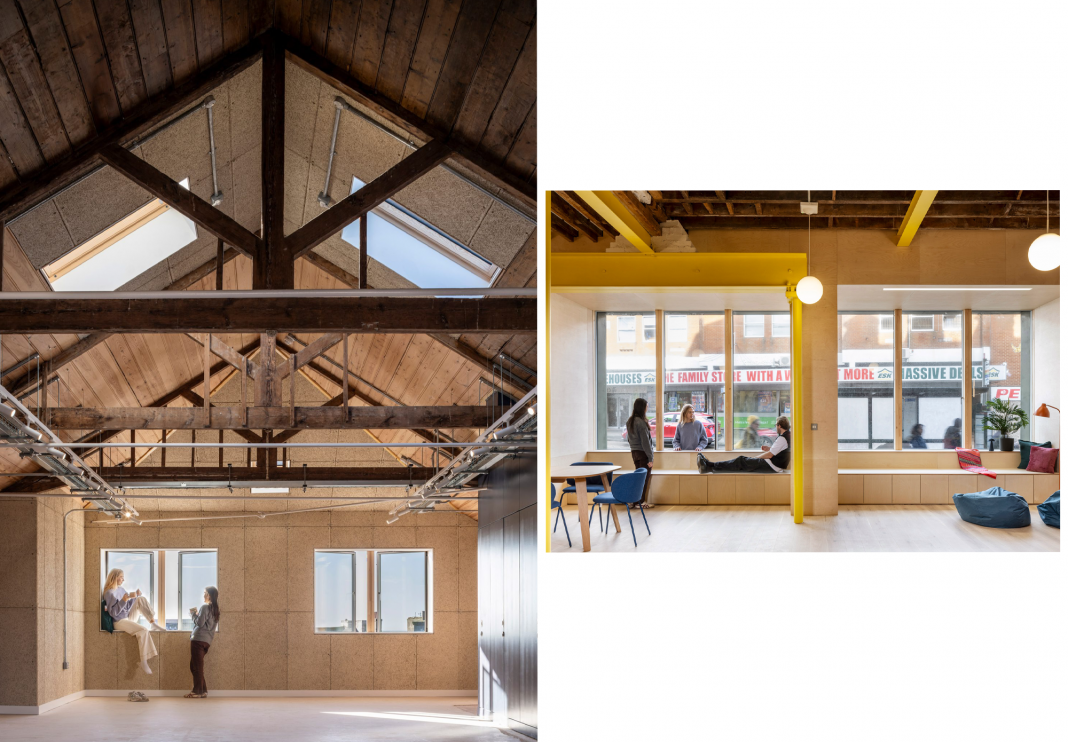
IF_DO’s Eagle House is presented as a contemporary residential project shaped by a clear architectural idea rather than decorative excess. What gives the moment weight is not novelty alone but the collision of recognizable names with changing expectations around material, circulation, and environmental response. That makes the subject richer than a headline summary. It invites attention to how decisions are made, how authority is expressed, how audiences participate, and how practical constraints shape the final public image. A careful reading avoids both hype and dismissal. Instead, it stays close to evidence while asking what the development reveals about the wider field. In that balance between fact and interpretation lies the real editorial interest: the chance to understand not only what happened, but why this particular moment has become worth watching now.
Eagle House Begins With a Tight Architectural Gesture
Eagle House Finds Drama in Restraint begins with a specific piece of news rather than a sweeping thesis. IF_DO’s Eagle House is presented as a contemporary residential project shaped by a clear architectural idea rather than decorative excess. The distinction is important. It allows the story to build outward carefully, toward site and spatial experience, without turning inference into fact. What emerges is less a proclamation about the future than a portrait of a field in motion. The interest comes from observing how established expectations meet new circumstances, and how seemingly small choices can expose much larger pressures at work.
One useful lens is process. With a house, tower, arena, terminal, masterplan, or retreat, the finished image tends to dominate, while the decisions behind it disappear. Yet those decisions are often the story: massing, structure, material, light, circulation, and landscape. Looking at them together reveals where ambition meets practical limitation. It also prevents a common mistake in cultural coverage—the assumption that polish means inevitability. Most public outcomes are negotiated. They are shaped by budgets, institutions, collaborators, timing, and the accumulated weight of earlier choices. The result may look singular, but the path to it rarely is.

IF_DO Uses Restraint to Build Drama
No development arrives before a blank audience. Eagle House Finds Drama in Restraint is being received through daily use and public perception, which means interpretation begins before anyone has fully absorbed the details. That is not a flaw in the story; it is part of the story. People compare new work with earlier experiences, inherited reputations, and their own sense of what the field should value. The resulting mix of recognition and surprise can determine which elements become dominant in public conversation. It can also obscure quieter details that may prove more important over time.
The most persuasive interpretation sits between hype and indifference. Through the lens of the relationship between image and inhabitation, the story shows how change actually enters contemporary architecture: not as a clean replacement of what came before, but as a negotiation with existing habits and expectations. Some elements will travel further than others. Some will be absorbed so quickly that they stop looking new. Others may remain tied to this one context. The point is to identify the pressure the moment creates rather than to declare a final outcome before enough evidence exists.

Material Decisions Keep the House Grounded
The harder question comes after the image has circulated and the headline has settled. Does Eagle House Finds Drama in Restraint hold together when judged through site and spatial experience and daily use and public perception rather than attention alone? That test matters because modern media can make visibility look like validation. They are not the same. Visibility creates an opportunity for scrutiny; validation arrives only when the work, institution, product, performance, or place continues to reward attention. The distinction keeps the analysis grounded and allows appreciation, criticism, and uncertainty to coexist without collapsing into a single verdict.
The wider system matters too. Contemporary architecture is shaped by institutions that allocate money, prestige, access, legitimacy, and attention. Those forces can accelerate a trend or make experimentation more difficult. They can also influence which stories are amplified and which remain specialist conversations. In that sense, Eagle House Finds Drama in Restraint is not only about its most visible figures. It is also about the structures around them: the organizations, markets, technologies, venues, and communities that make a public moment possible. Reading those structures does not drain the story of personality; it explains why personality has leverage in the first place.

The Project Proves Quiet Architecture Can Still Be Memorable
A productive reading leaves some uncertainty intact. Eagle House Finds Drama in Restraint can be important now without carrying a guaranteed future. The better questions concern transfer and endurance: which aspects belong uniquely to this moment, which expose pressures already building elsewhere, and which may look different once the initial attention fades? That approach avoids the false confidence of instant history. It also gives readers a clearer sense of what to watch next—not a promised outcome, but the specific relationships, decisions, and responses that would change the interpretation if new evidence appears.
The story’s lasting usefulness may be its ability to make a diffuse change concrete. Eagle House Finds Drama in Restraint gathers questions about site and spatial experience, daily use and public perception, and the relationship between image and inhabitation into one visible moment. That does not make the case representative of everything happening in the field, but it does make it revealing. The best conclusion is therefore provisional rather than grand. Pay attention to the specific choices, the responses they generate, and the structures that enable them. Those are the details most likely to remain meaningful after the first burst of attention has passed.